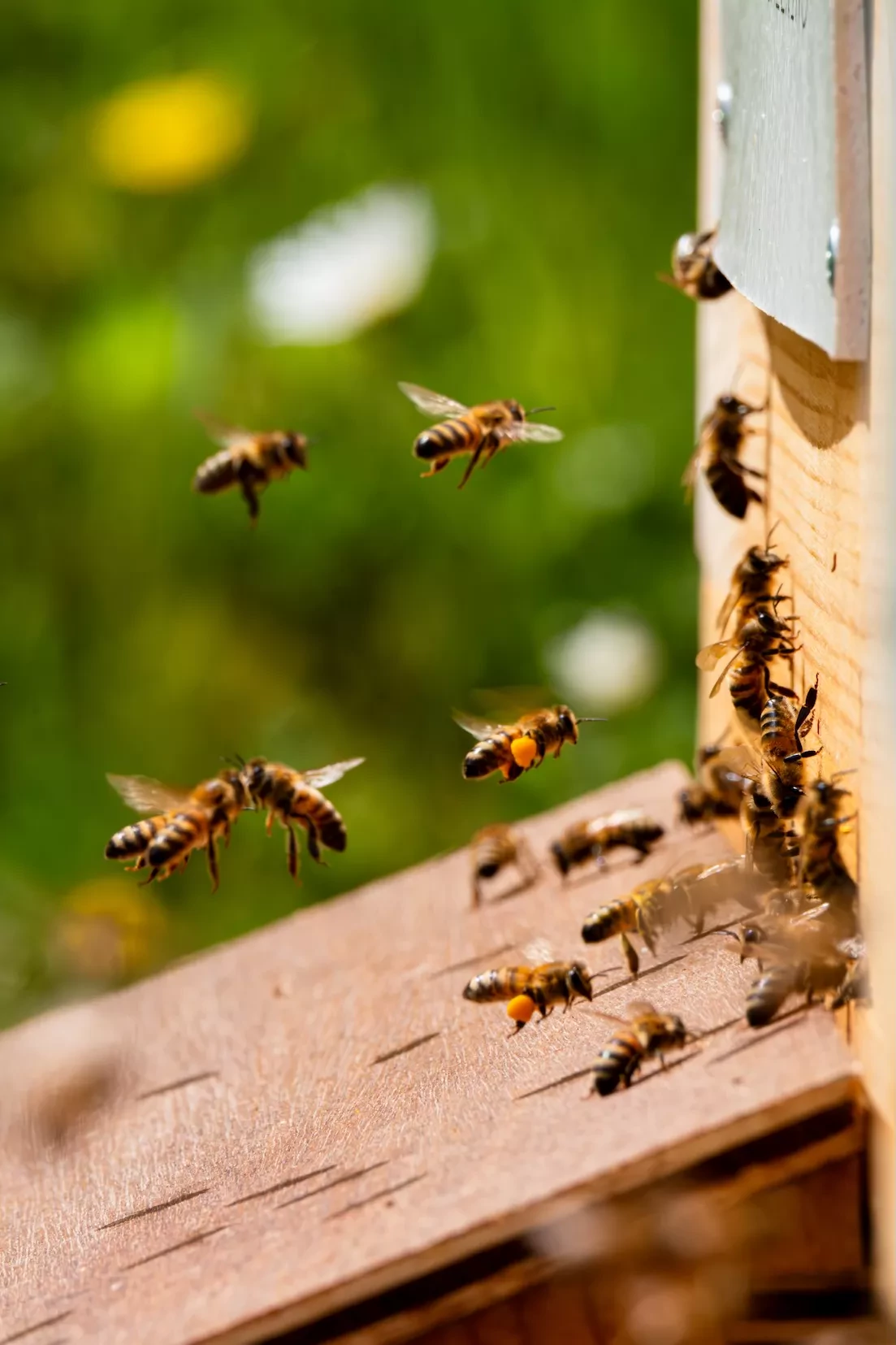


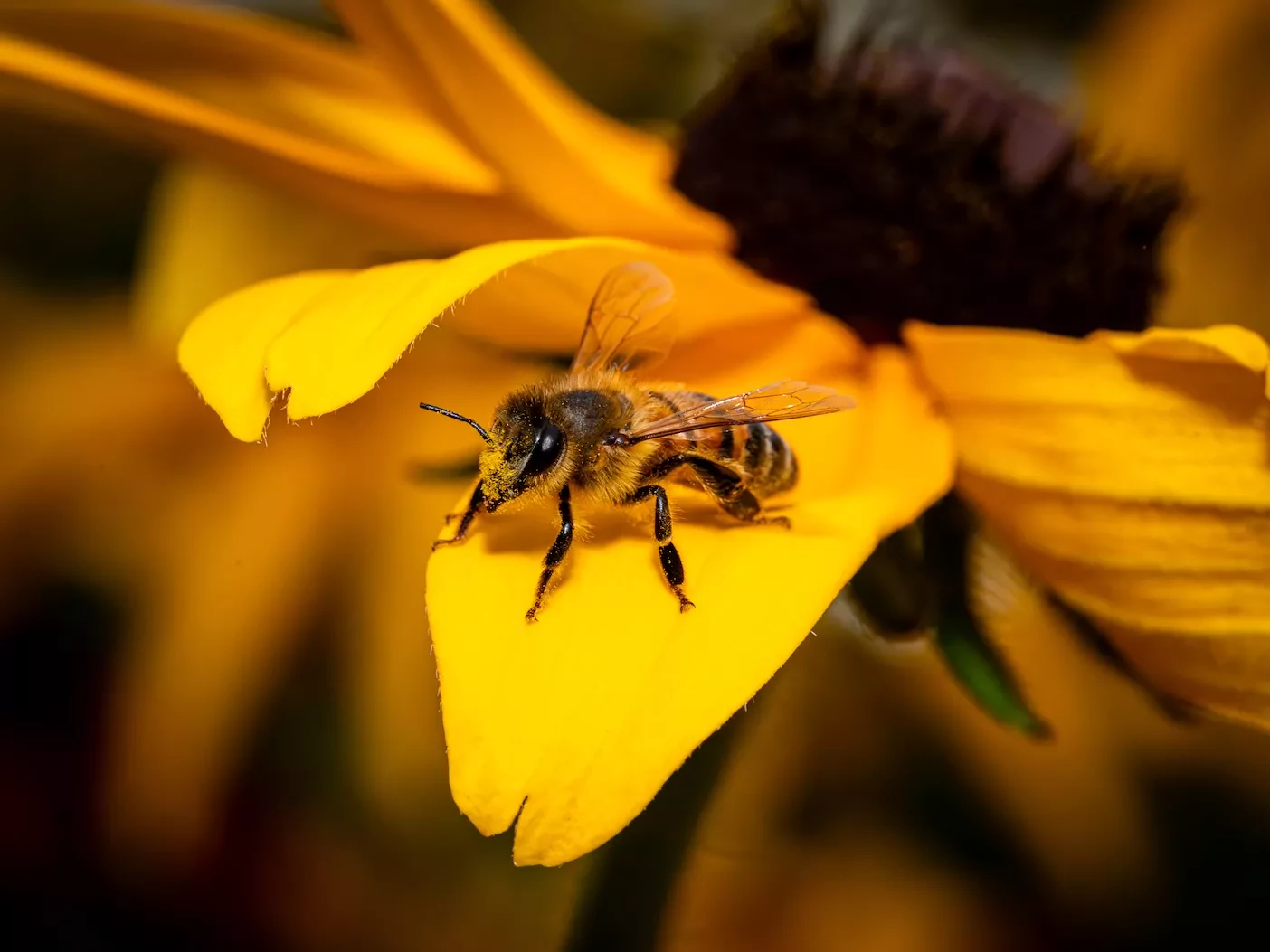
By welcoming two bee colonies to its premises, KARL HUGO is making a tangible contribution to biodiversity, sustainability, and the protection of one of nature’s most important pollinators.
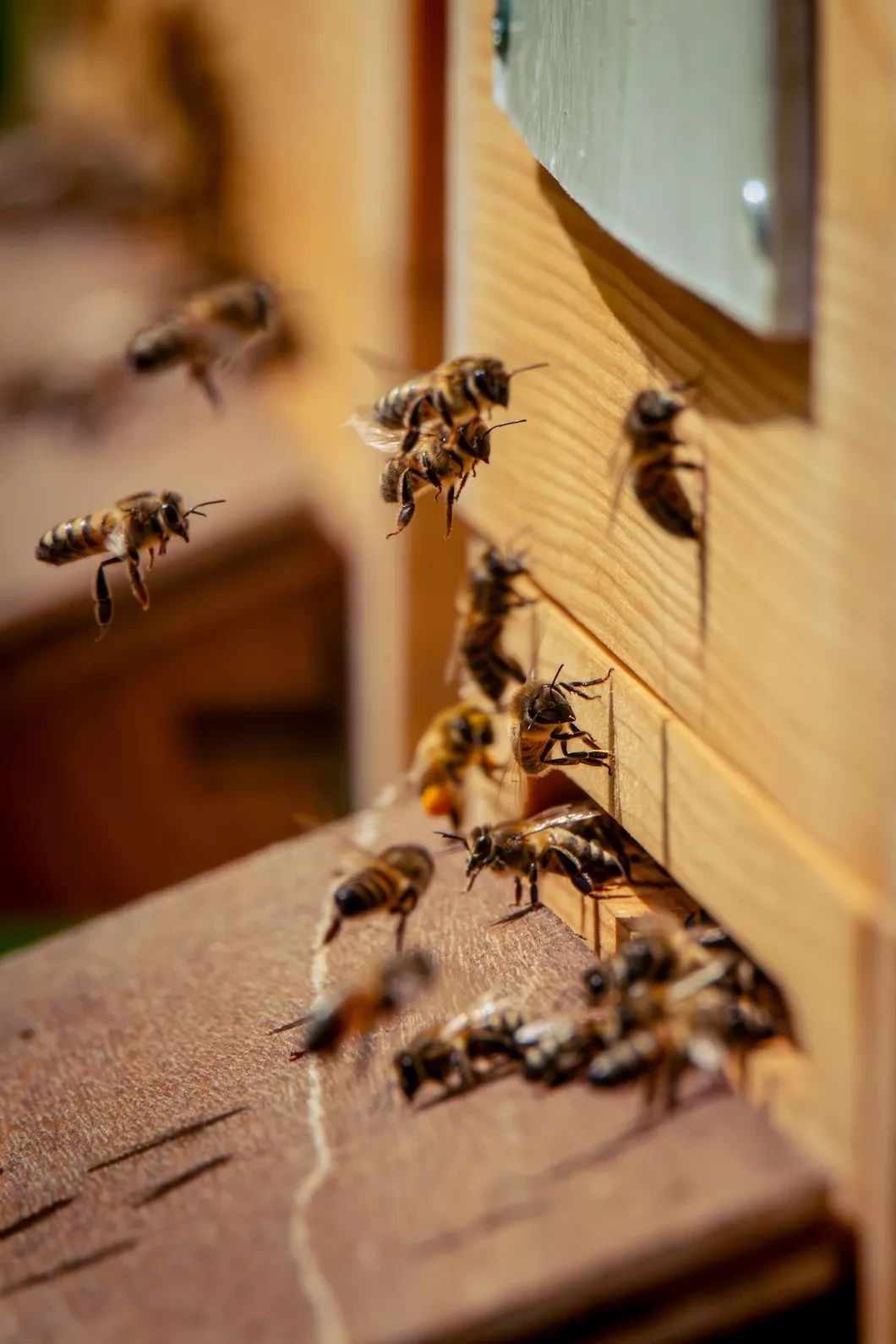
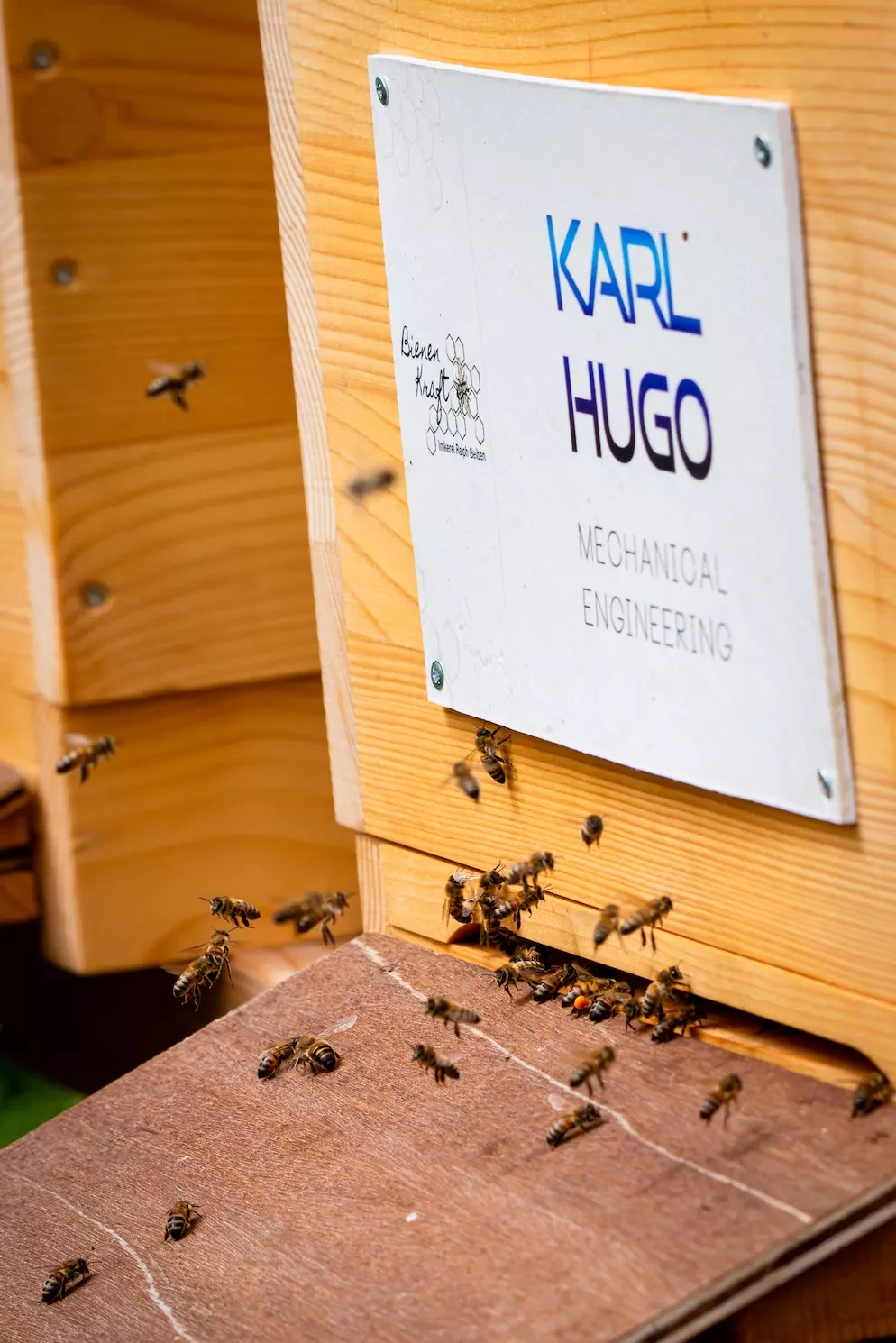
Since the beginning of May, two bee colonies have found a home on the KARL HUGO site. Through this sponsorship initiative, we are making a practical contribution to protecting bee populations and supporting biodiversity in our region.A single bee colony can contain up to 50,000 bees during the summer months. This means that as many as 100,000 new “employees” have effectively joined KARL HUGO. While this may sound like an impressive figure at first glance, it represents something even more important: a meaningful investment in the health of our environment.
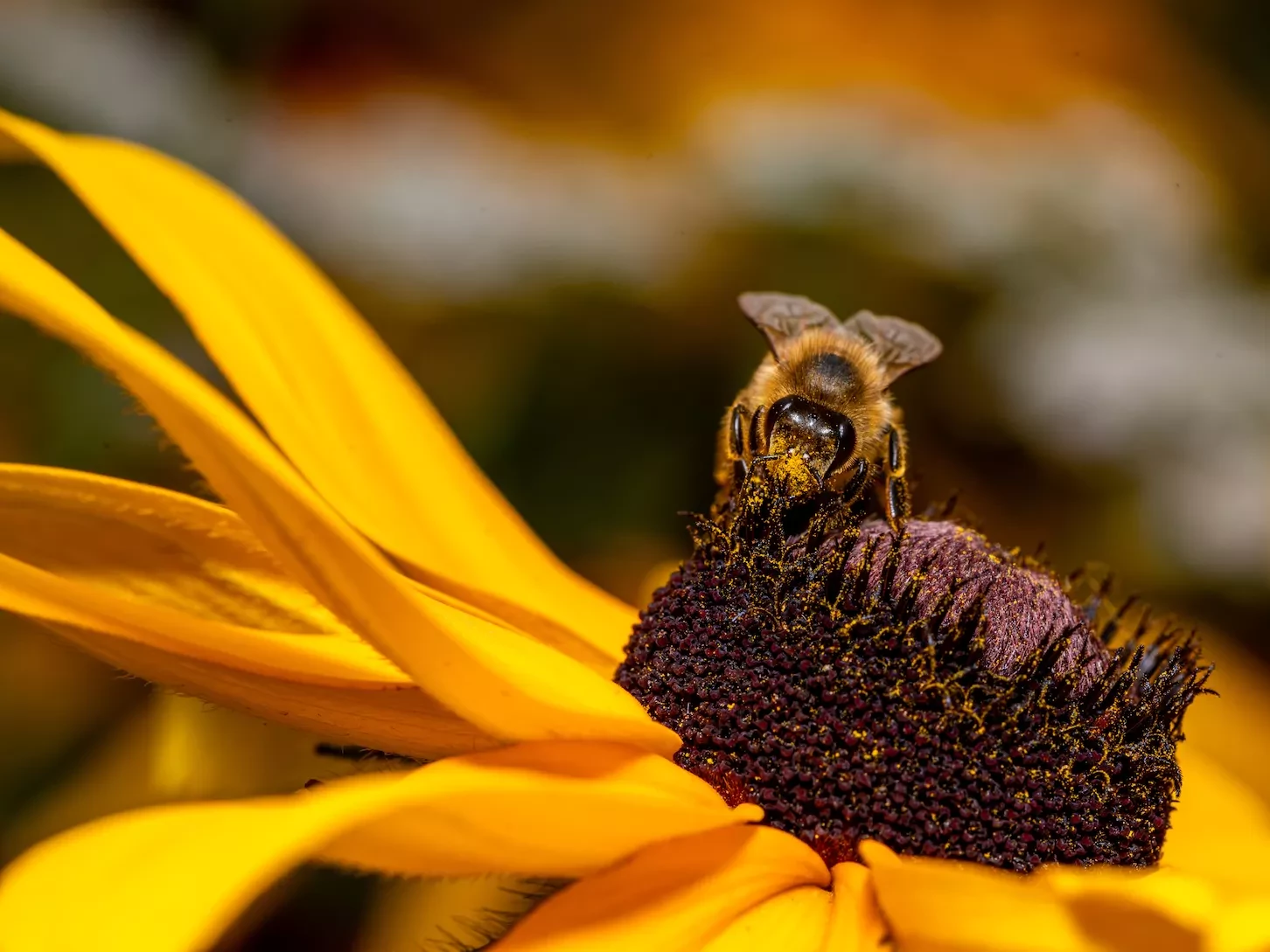
Bees are among the most important pollinators in the world. Around 80% of all plants rely on pollination, making bees essential to biodiversity, agriculture, and food production. Whether apples, pears, cherries, or many other crops, yields would be significantly lower without their work. It is no coincidence that, after cattle and pigs, the honey bee is often regarded as the third most important domesticated animal for humankind.
Their importance, however, extends far beyond agriculture. By pollinating plants, bees actively support healthy ecosystems and help preserve biodiversity. In addition, the pollination impact of a single bee colony can contribute to the capture of up to 60 tonnes of CO₂ each year!
The work carried out by these tiny insects is truly remarkable. To produce a single jar of honey, bees collectively travel around 120,000 kilometres, the equivalent of roughly three trips around the Earth. Along the way, they pollinate approximately three million flowers. The expression “busy as a bee” is therefore well deserved.
Our bee colonies are professionally cared for by BienenKraft, a local beekeeping business based in Maldingen, East Belgium. As sponsors of two colonies, we are also looking forward to enjoying our very own KARL HUGO honey. Each colony is expected to produce at least 60 jars of honey, resulting in a minimum of 120 jars of locally produced honey.
Through this initiative, we aim to take responsibility and make a lasting contribution to the protection of these indispensable pollinators. After all, protecting bees also means protecting our environment, our food systems, and the well-being of future generations.
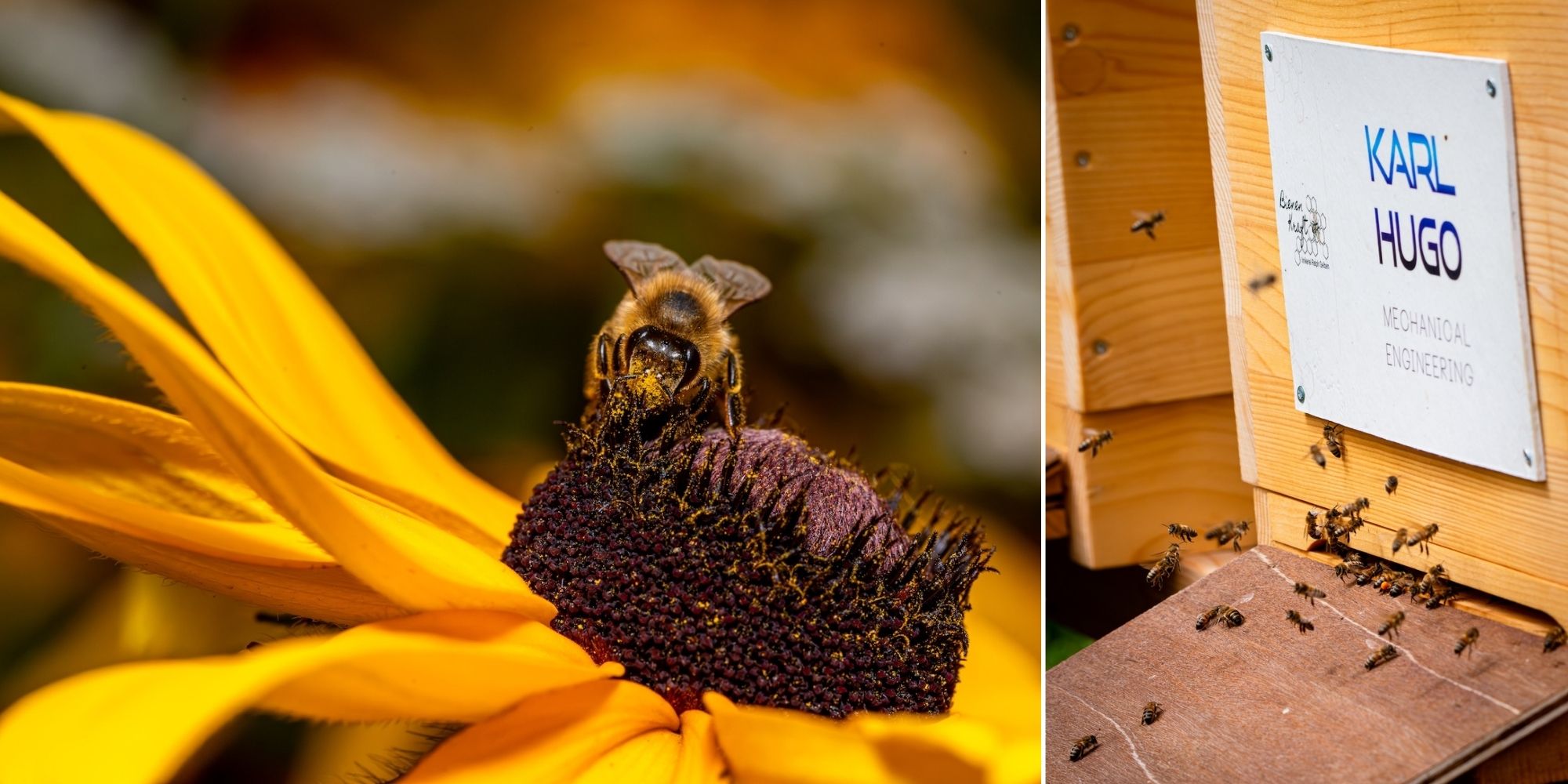
Photos by Jeremy Heinen ©KARL HUGO